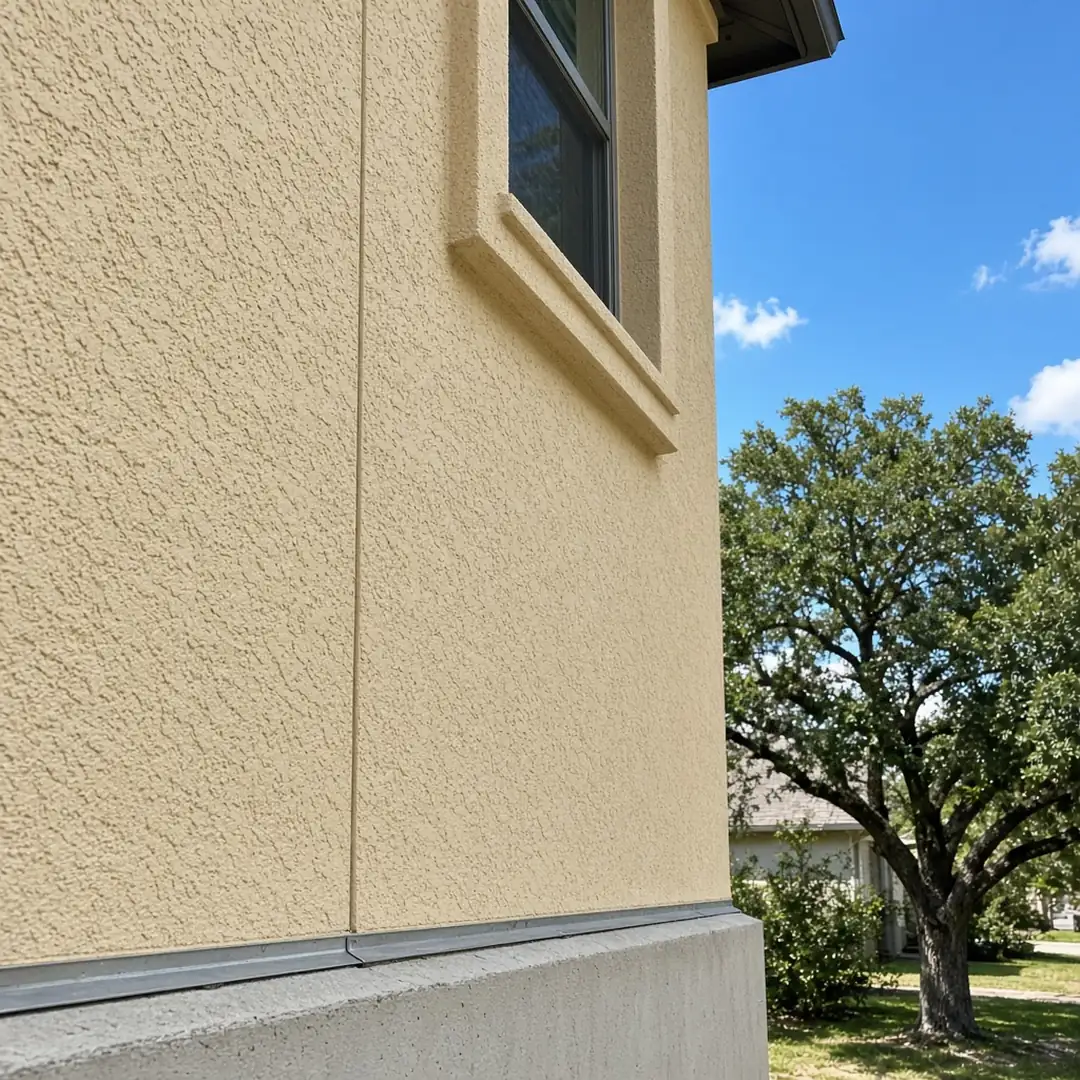
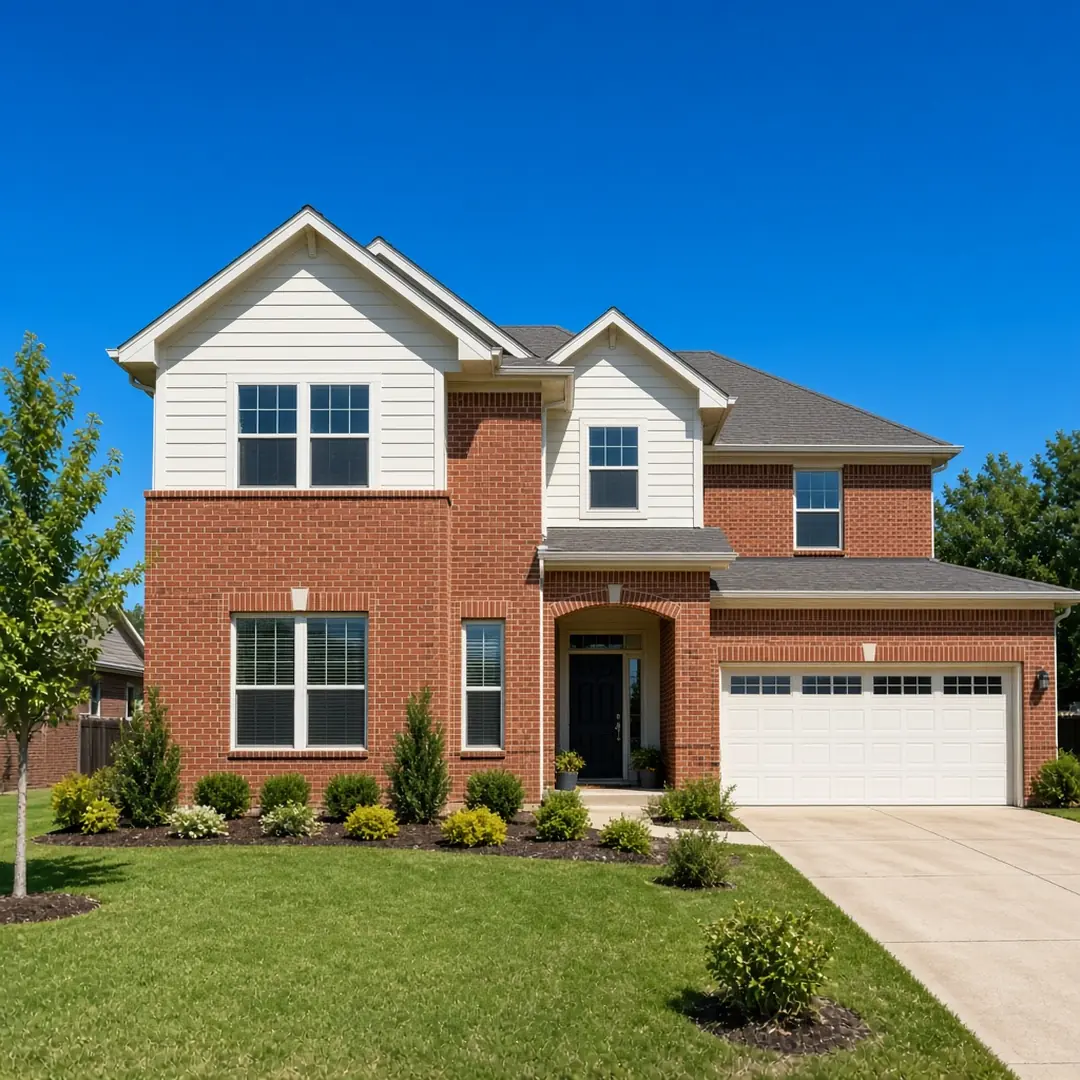
Cedar Park grew up in the 2000s, and its siding is growing up with it. This Williamson County suburb of about 77,000 saw the largest share of its homes — roughly a third — built between 2000 and 2009, which means a big block of Cedar Park siding is now twenty years or more into the Central Texas sun and entering its first real replacement cycle. The median owner-occupied home is valued at $474,800 in U.S. Census American Community Survey estimates, with a 67.3% owner-occupancy rate — a settled, higher-value suburb where owners are now facing exterior upkeep on homes they bought new. This page covers what the local climate and ground do to siding, which materials fit, the services local contractors offer, and the siding companies serving Cedar Park.
Local conditions: what Cedar Park does to siding
The 2000s re-side cycle is here. Because roughly a third of Cedar Park's homes went up between 2000 and 2009, the city is hitting its first major siding replacement cycle all at once. The original builder-grade vinyl and early fiber cement on those homes is now two decades into the sun — fading on the west walls, cracking and loosening at the seams. For many owners this is the first real exterior work since the home was new, and frequently the moment to upgrade to fiber cement that will last the next twenty years.
Heat and UV lead the wear. Cedar Park shares the Austin-metro climate; at the Camp Mabry station, the Austin-area NOAA 1991–2020 normals show an annual average temperature of 70°F, about 36.25 inches of rain a year, 122.8 days at or above 90°F, and 29 days at or above 100°F. That heat and UV concentrate damage on south- and west-facing walls, which age years ahead of the shaded sides.
Rocky ground, less clay movement. Cedar Park sits largely on the limestone and caliche of the Edwards Plateau edge rather than the deep Blackland clay to the east, so it sees less of the expansive-clay foundation movement that cracks brick and stucco in east-metro suburbs. Here the dominant siding story is age and sun, not soil shift.
Hail is secondary. Spring storms bring occasional hail; on aging 2000s siding already made brittle by the sun, a storm can crack panels, so storm damage and age-related wear often arrive together.
Siding materials for Cedar Park homes
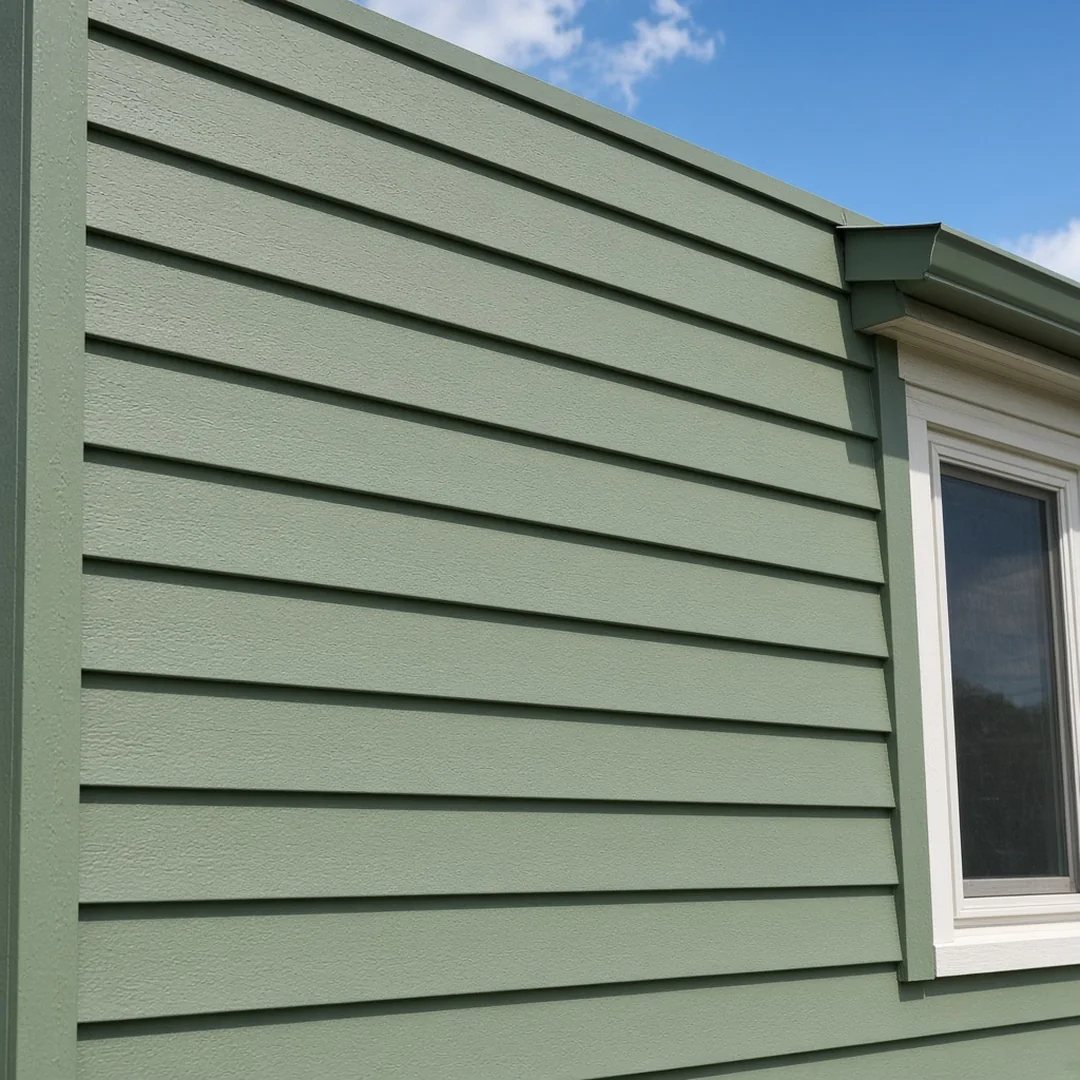
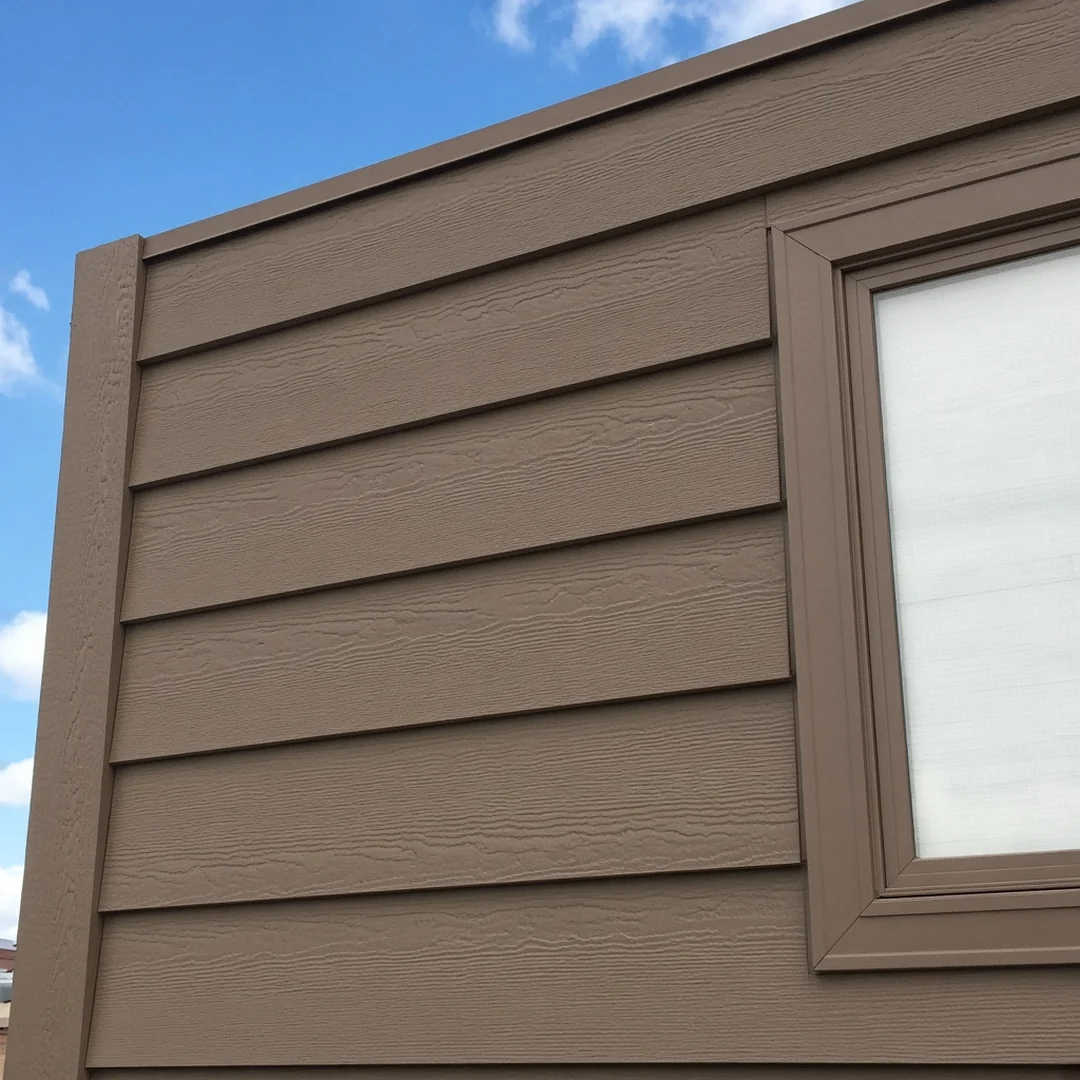
- Fiber cement — the common upgrade target as 2000s homes re-side off builder-grade vinyl; resists heat and holds color for well over a decade.
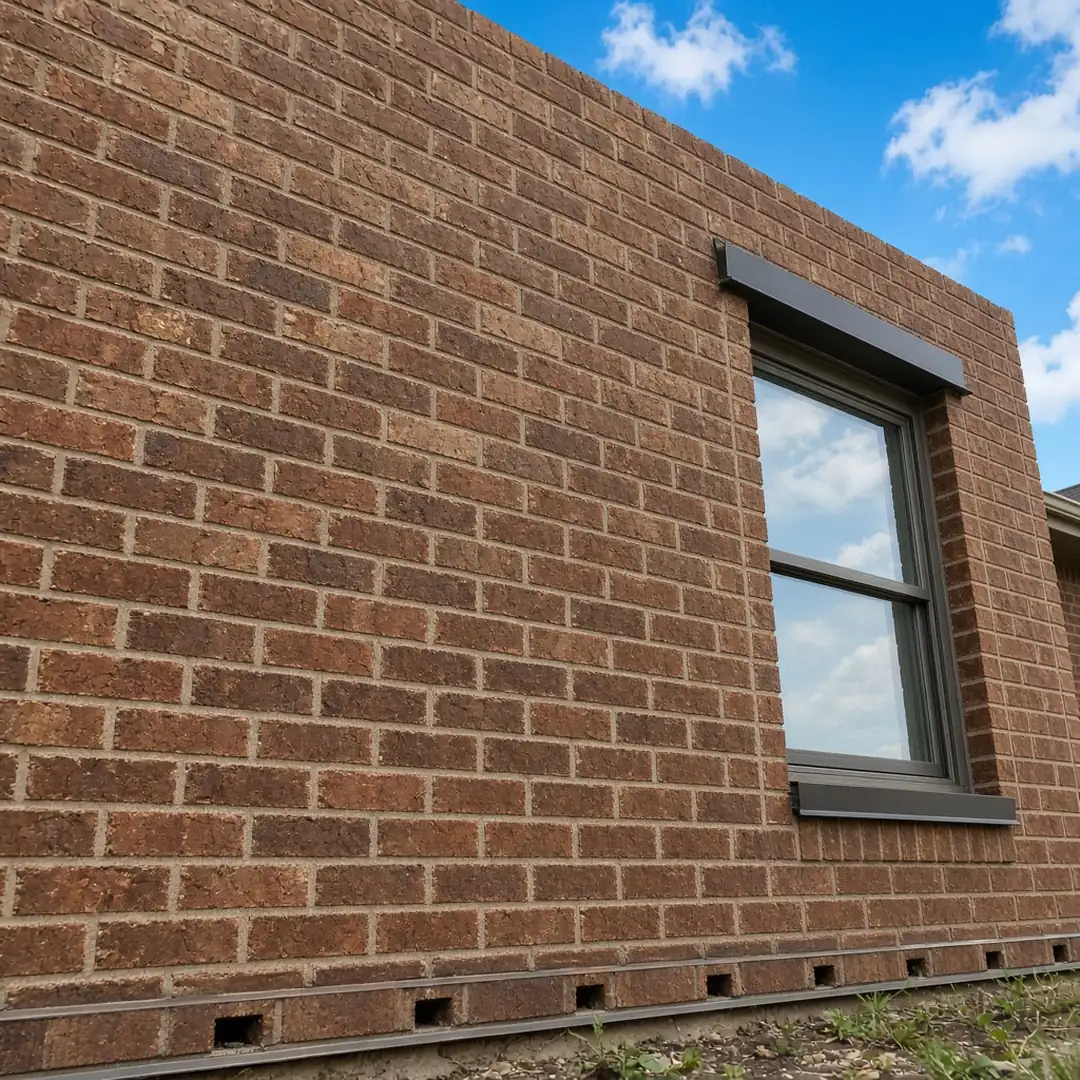
- Brick and stone veneer — low-maintenance and UV-proof, with less foundation movement to contend with on the rocky west-side ground than in east-metro clay.
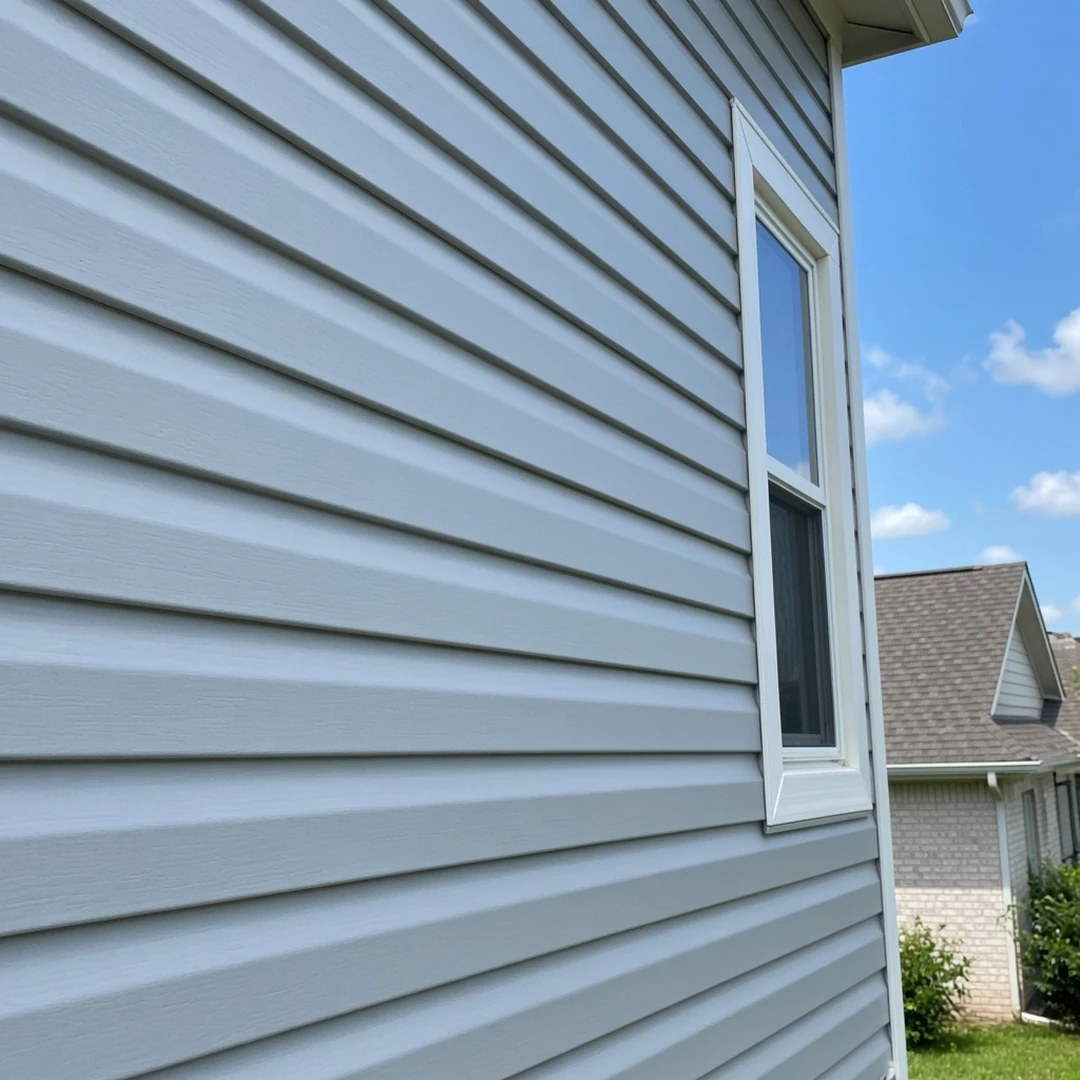
- Vinyl — the original cladding on much of the 2000s stock and the material most current replacement work is removing.
- Engineered wood — a wood look with better heat and pest resistance, a middle option on cost.
- Metal — reflective and impact-resistant, used on modern designs.
Siding services in Cedar Park
Siding installation in Cedar Park
New installation continues on the city's remaining undeveloped edges, starting with the water-resistive barrier and flashing behind the panels and specified mostly in fiber cement and brick.
Siding replacement in Cedar Park
Replacement is the dominant work here as the 2000s stock ages. A full tear-off exposes sheathing and house wrap that have been behind the siding since the home was built, so hidden water damage gets caught, and it is the point where owners move from builder-grade vinyl to fiber cement.
Siding repair in Cedar Park
Repair covers faded, cracked, or loose panels and seams the heat has opened. On a twenty-year-old home a thorough repair checks the condition behind the panels, not just the surface, so a cosmetic fix does not leave a hidden problem in place.
Storm and hail damage repair in Cedar Park
Spring hail can crack sun-aged panels; storm repair inspects the walls alongside the roof, replaces damaged sections, and restores the weather barrier before water works in behind.
Common siding problems in Cedar Park
- Fading, warping, and loosening of original 2000s-era vinyl across whole subdivisions.
- UV damage concentrated on south- and west-facing walls.
- Hidden water damage behind twenty-year-old siding where flashing or caulk failed.
- Hail cracks on sun-aged panels after spring storms.
- Less foundation-driven cracking than east-metro clay areas, thanks to the rocky Edwards-side ground.
Siding Contractors Serving Cedar Park
The following companies provide siding work in the Cedar Park area. Listings are independent contractors and are provided for information only; verify current details directly with each company.
Listings are independent contractors shown for information only — no endorsement is implied, and there is no call-to-action attached to any listing. Verify current details directly with each company.
What to look for in a Cedar Park siding contractor
Texas does not license siding contractors, so confirm the following yourself:
- General liability insurance verified directly from the insurer.
- A verifiable Cedar Park-area track record, not a storm-season address.
- A written scope that, on a 2000s-era home, inspects the sheathing and water-resistive barrier behind the old siding — not just panels.
- Honest repair-vs-replace guidance — whether to match the existing material or upgrade, and why.
- No storm-chaser tactics — no same-visit signing pressure, large deposits, or deductible offers (illegal in Texas).
Call Us Now for a Siding Contractor in Cedar Park
Need to reach a siding contractor in Cedar Park for a first re-side, repair, or storm damage? Call Us Now and get connected with a local pro serving the Cedar Park area.