
Find a Siding Contractor in Texas
Find siding contractors across Texas. Compare fiber cement, vinyl, brick, and stucco for Texas heat and hail, and reach a local siding pro. Call Us Now.
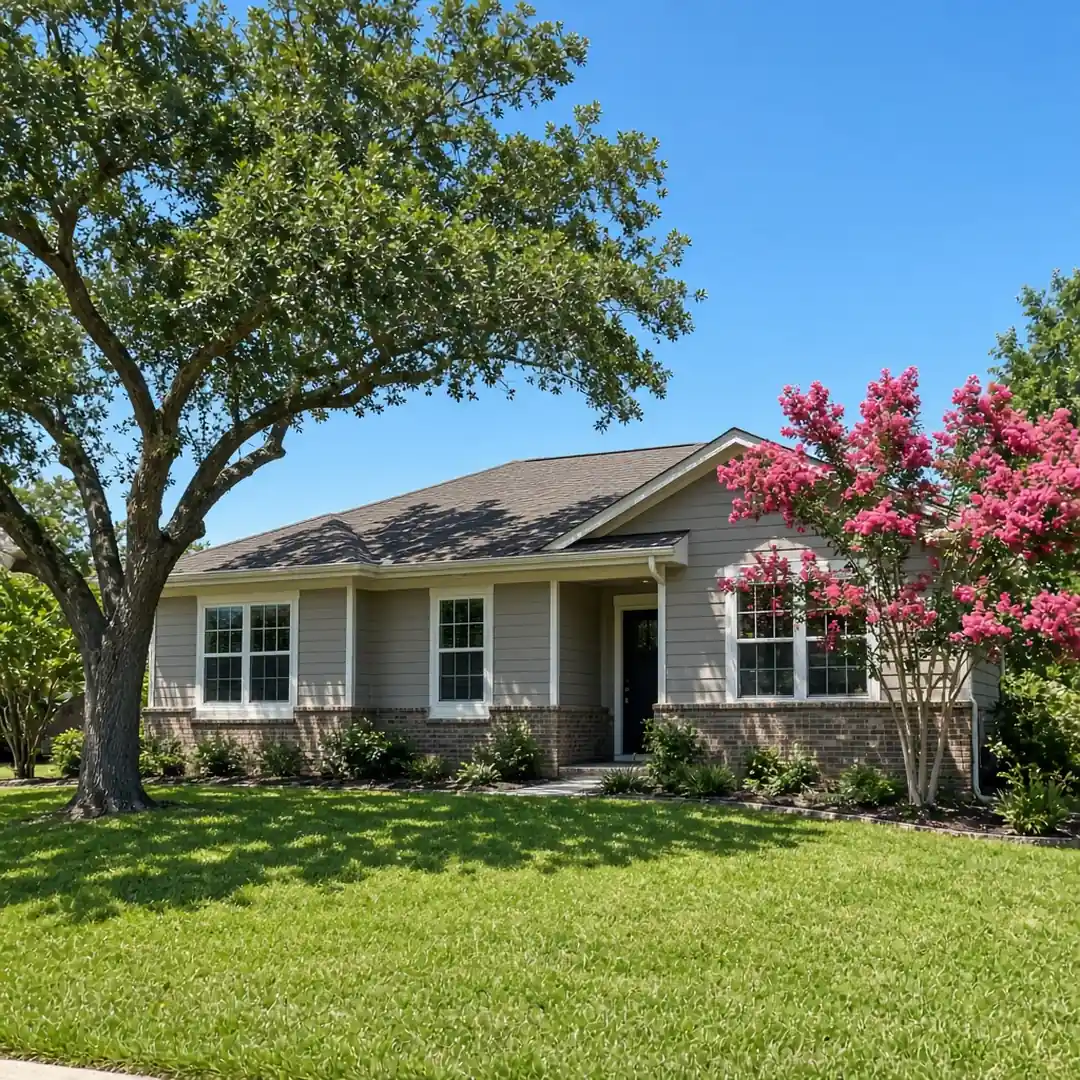
What Texas siding contractors handle
From a single cracked panel to a full re-clad — browse each service or call to reach a local pro.
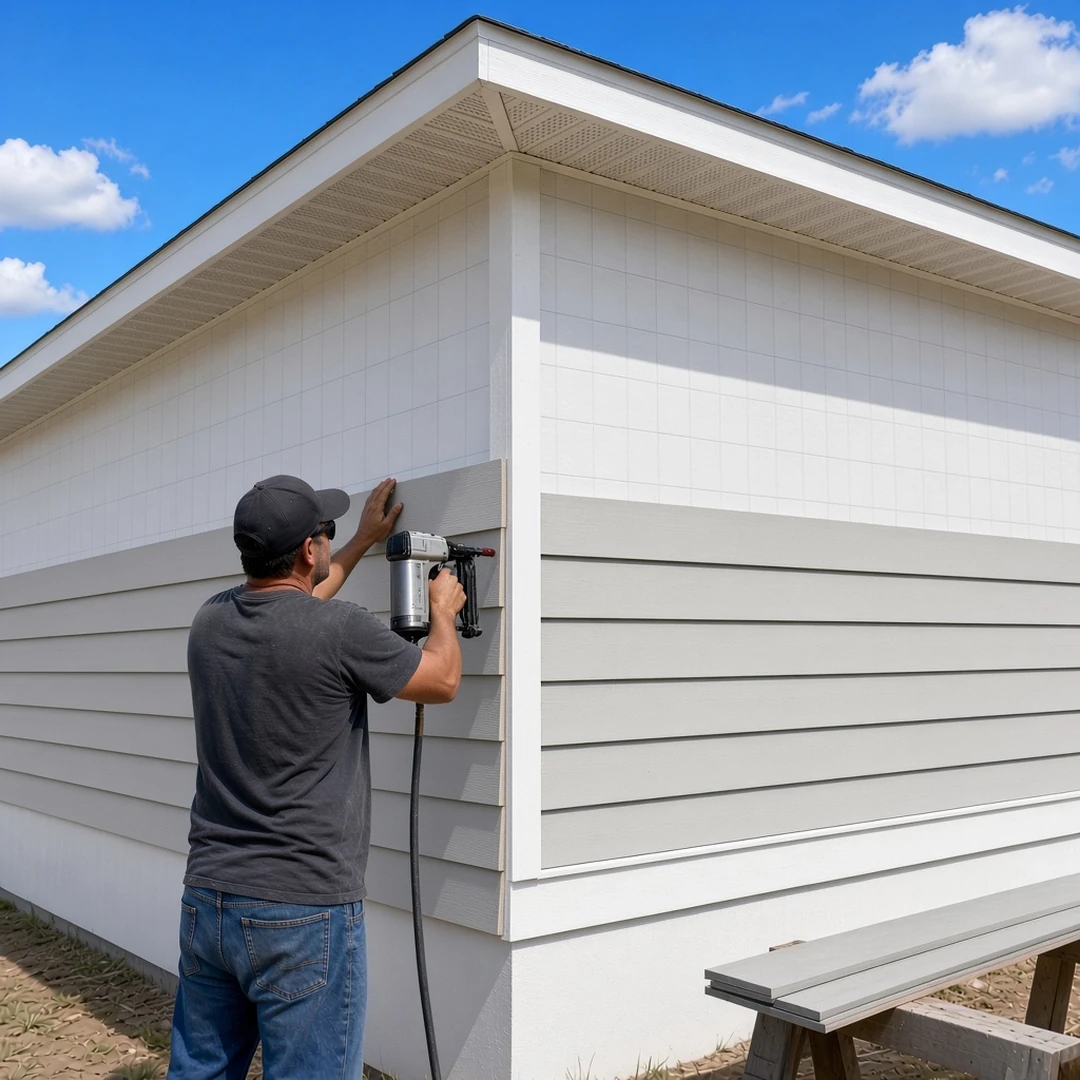
Siding Installation
New builds, additions, and full re-clads — matched to the Texas climate.
Learn more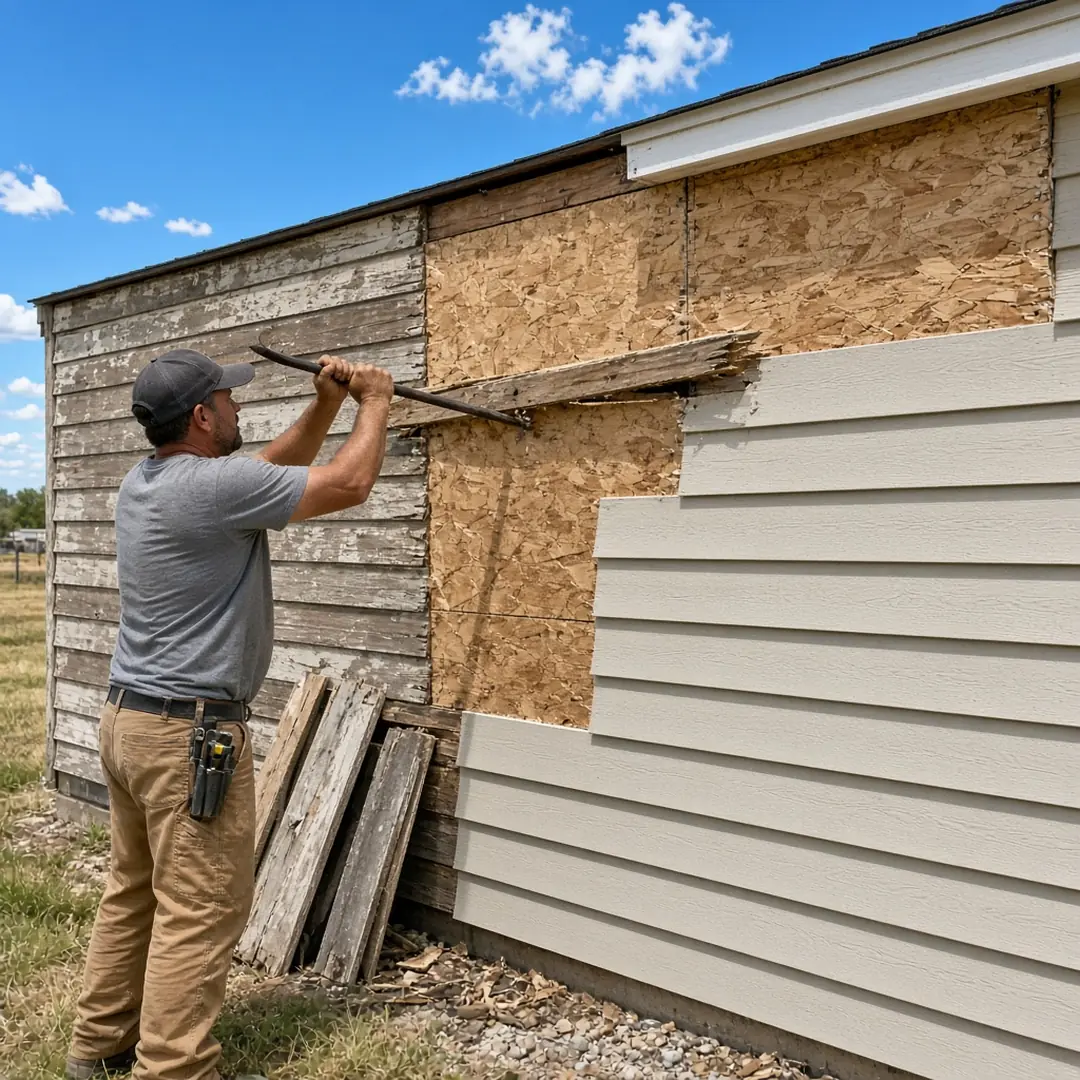
Siding Replacement
Full tear-off and re-side when siding is faded, warped, or storm-worn.
Learn more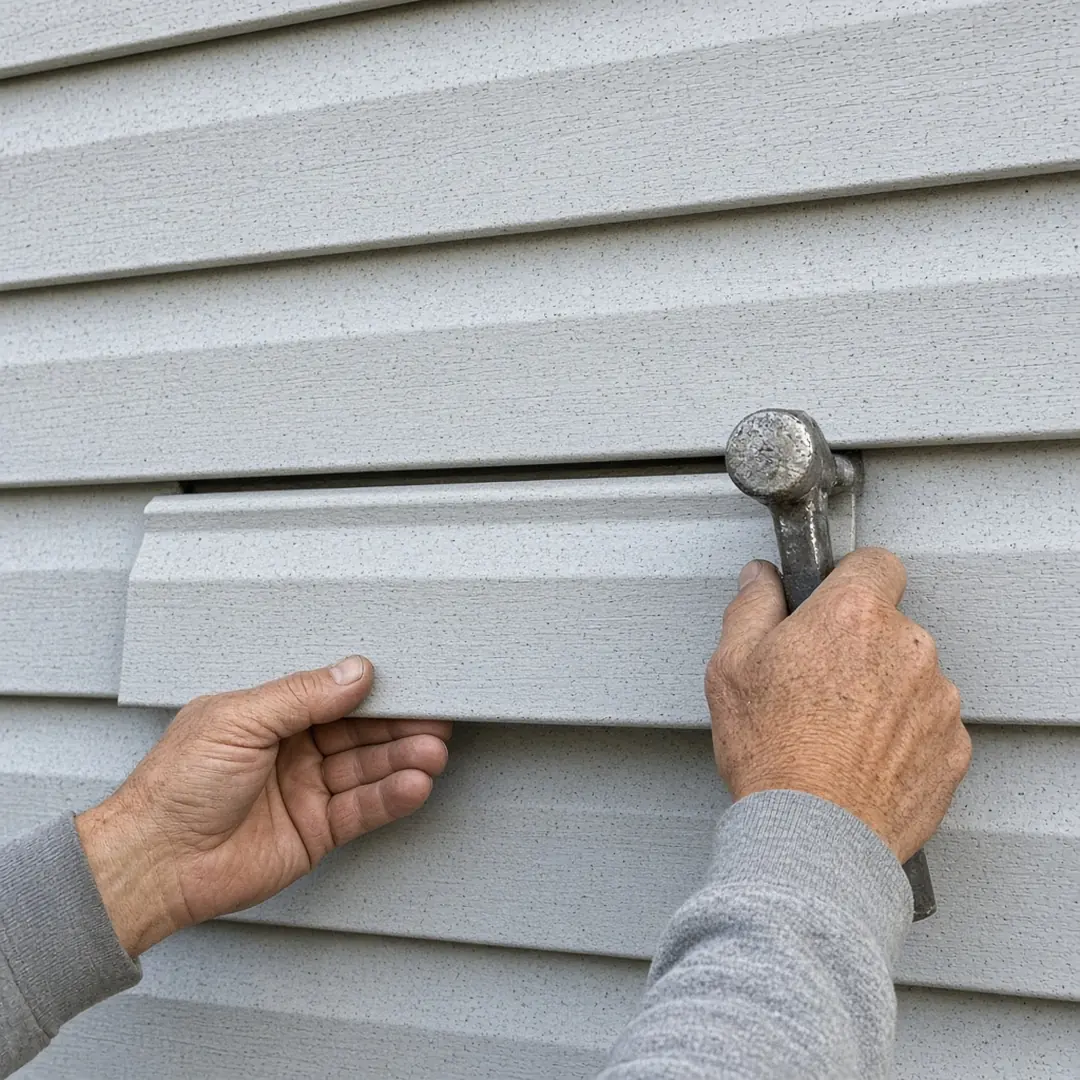
Siding Repair
Cracked panels, loose sections, failed caulk, and hail-damaged siding.
Learn more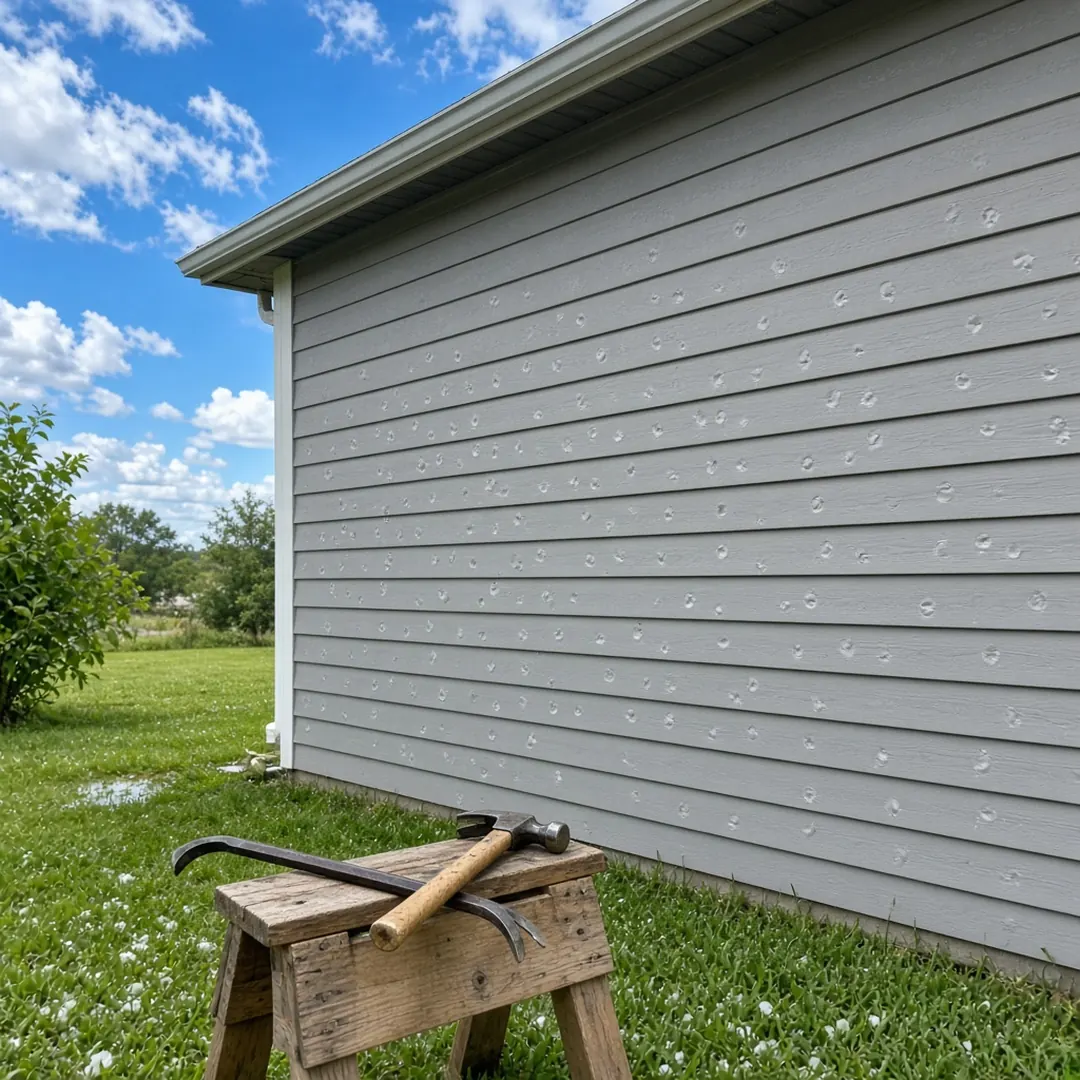
Storm Damage Repair
Post-storm inspection and repair in the nation’s top hail state.
Learn moreSiding in Texas takes a beating that siding in most states never sees. Texas has led the country in hail damage for eleven straight years, with 902 major-damage hail events recorded in 2025 alone — more than double the next state, according to the Insurance Information Institute. Add months of triple-digit heat and some of the most intense UV exposure in the continental U.S., and the exterior of a Texas home works harder than almost anywhere else. Siding Pros TX lists siding contractors across the state so you can find a local pro for installation, repair, or full replacement. Call Us Now to reach a siding contractor in Texas.
What Texas weather does to siding
Two forces drive most siding work in Texas: impact and heat.
Hail and wind. Texas sits in the most active severe-storm corridor in the country. A Cotality analysis put nearly 8 million Texas properties at moderate or greater risk of hail damage — the most of any state. Hail cracks and punctures siding, loosens panels, and drives water behind the cladding where it rots sheathing out of sight. After a storm, homeowners focus on the roof and the siding damage goes unnoticed, and the water finds its way in over the following months.
Heat and UV. Through a Texas summer, dark siding on south- and west-facing walls can reach surface temperatures well above 150°F. That heat and the constant ultraviolet exposure break down the polymers in plastic-based materials, fading color, chalking the surface, and making panels brittle over time. The same wall that looks fine on the north side of a house can be the first to fail where the afternoon sun hits it.
Both problems point to the same decision: the material has to match the Texas climate, and the work has to be done right.
Siding services in Texas
Siding contractors across Texas handle the full range of exterior cladding work, from a single damaged panel to re-siding an entire house. These are the services the listed pros cover.
Siding installation
Siding installation puts cladding on a new build, an addition, or a home being re-clad for the first time. The job starts behind the siding: a water-resistive barrier over the sheathing, flashing at every window, door, and penetration, and proper fastening for the material and the wind zone. In a hail- and storm-prone state, that underlayment and flashing work is what keeps water out long after the panels go up. Done right, installation is matched to the home's exposure — tougher material and lighter colors on the south and west walls that take the Texas sun.
Siding replacement
Replacement is a full tear-off and re-side, the right call when siding is warped, rotted, or faded across multiple walls, or when storm damage runs deeper than a patch. Stripping the old cladding also exposes the sheathing and house wrap, so hidden water damage gets found and corrected before new siding seals it in. Replacement is also the moment many Texas homeowners move off aging vinyl and onto fiber cement or brick that stands up better to heat and hail.
Siding repair
Repair covers the targeted fixes: replacing cracked or missing panels, re-securing loose siding, patching holes, resealing joints, and swapping out sections damaged by impact or moisture. On a home with sound siding and isolated damage, a repair restores the wall's weather barrier without the cost of a full re-side. The key is matching the repair material and color to the existing siding so the fix holds and blends in.
Storm and hail damage repair
Because Texas leads the nation in hail, storm repair is a category of its own. After a storm, siding contractors inspect the walls alongside the roof for cracked panels, impact bruising, and water that has worked behind the cladding. Catching siding damage early — not months later when the rot shows — is what keeps a hail hit from turning into a wall-cavity problem. Many homeowners schedule a siding inspection after a major storm even when the damage is not obvious from the ground.
Call Us Now to reach a siding contractor for any of these services in Texas.
Siding materials for Texas homes
There is no single best siding for the whole state — the right choice depends on your region, your home, and the look you want. Here is how the common materials hold up to Texas conditions.
Fiber cement
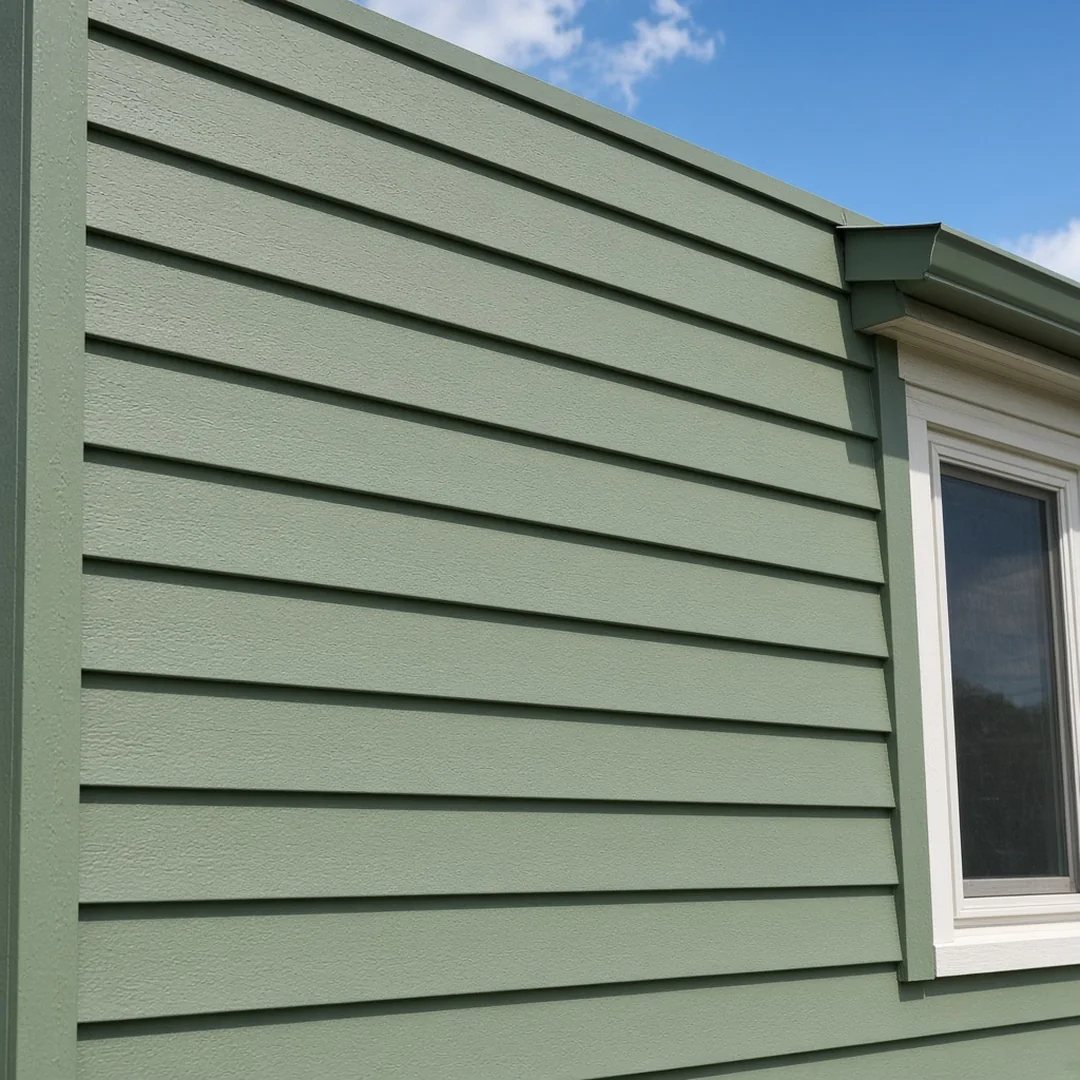
Fiber cement, made from Portland cement, sand, and cellulose fiber, is the material most consistently recommended for Texas across heat, humidity, and hail. It does not warp in the sun, resists rot and termites, and holds factory color far longer than vinyl — factory-finished boards keep their color for well over a decade even on sun-baked walls. Installation is a skilled job: the boards are heavy, they need special blades to cut, and the seams and nailing have to be right, which is why it is work for an experienced crew rather than a weekend project. It installs as lap, panel, or shingle-look siding and is the dominant choice in Central Texas new construction. Fiber cement is the strongest all-round pick statewide, from the Dallas–Fort Worth hail belt to the humid Gulf Coast.
Vinyl
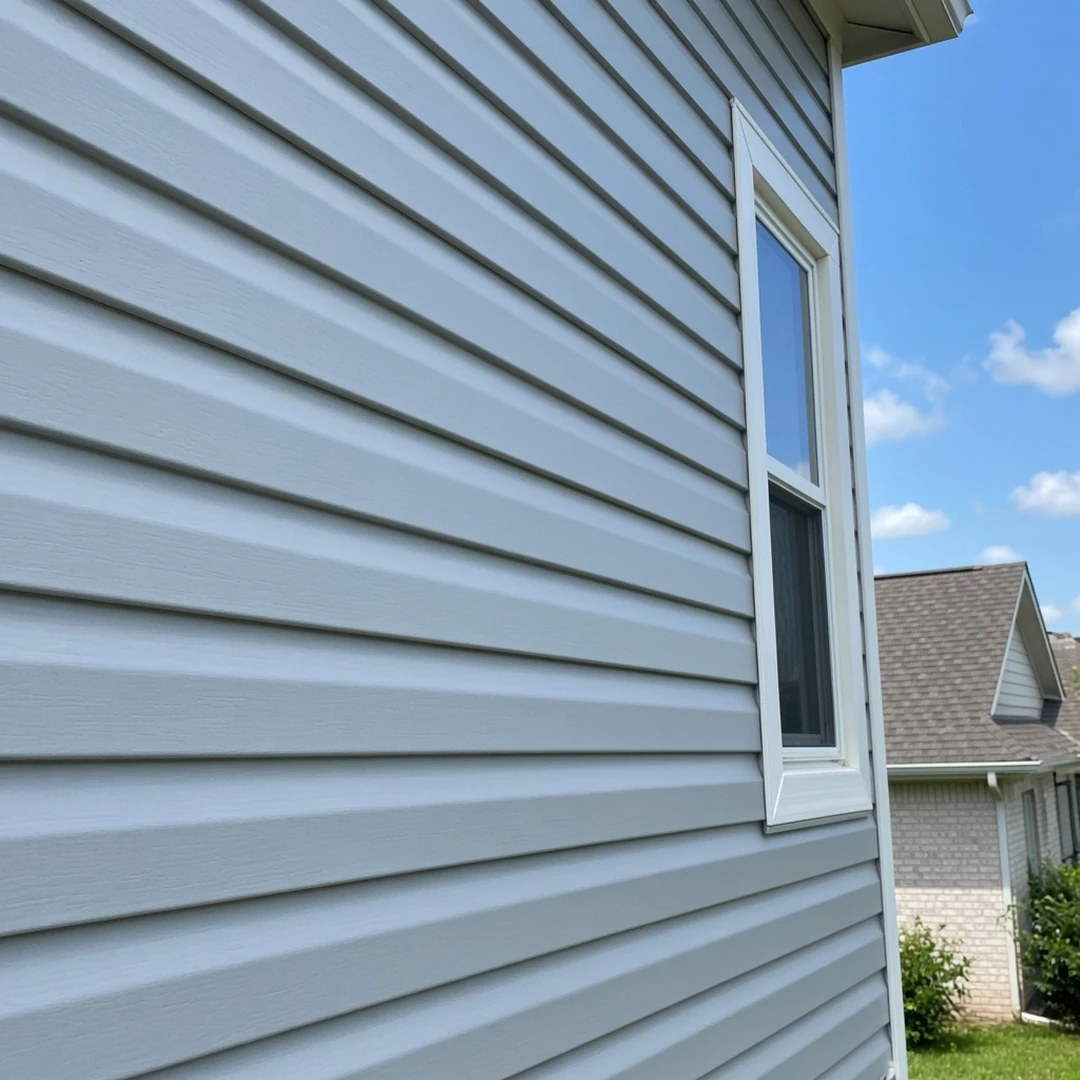
Vinyl is the budget-friendly, low-maintenance option, and modern UV-stabilized vinyl performs reasonably in much of the state. It installs faster and cheaper than any other material, which keeps it popular on repairs and value-focused homes. Its weaknesses are the two things Texas has most of: in sustained extreme heat it can warp, and on south- and west-facing walls it fades under Central Texas sun within roughly ten to twelve years. It is a serviceable pick for homes out of the harshest sun and hail belts, and lighter colors hold up better than dark ones.
Brick and stone veneer
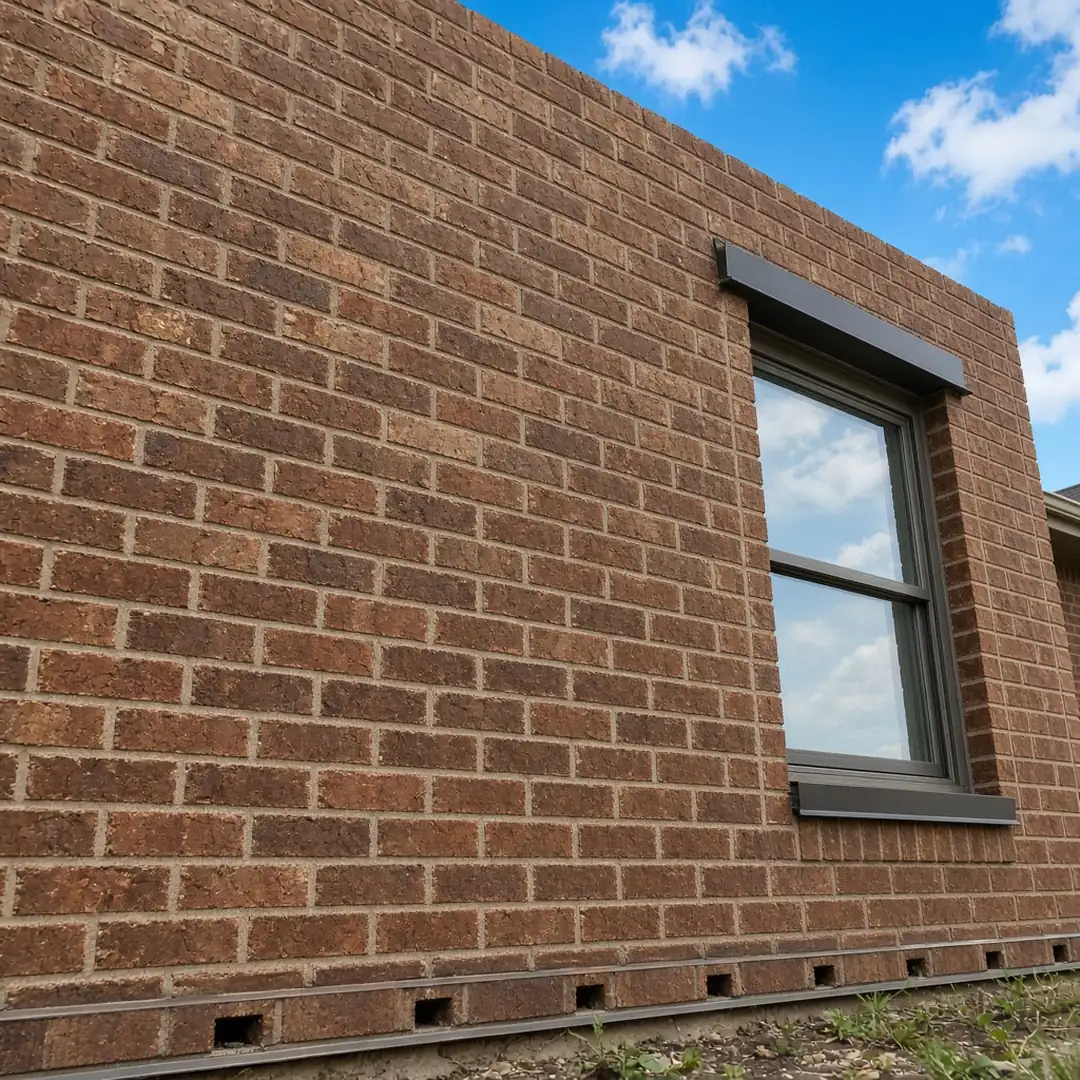
Brick is the Texas default. In the West South Central region, which covers Texas and Oklahoma, 62% of newly built single-family homes used brick or brick veneer, according to the National Association of Home Builders. It shrugs off heat, hail, and UV and lasts for decades with almost no upkeep, which is exactly why it became the regional standard in a climate this hard on exteriors. Most modern homes use brick veneer — a single facing layer anchored to a framed wall — rather than structural brick. Stone and stone-look veneer are used the same way, as an accent on gables and entries. Brick and stone work is masonry, a different trade from panel siding, so it is handled by contractors who specialize in it.
Stucco
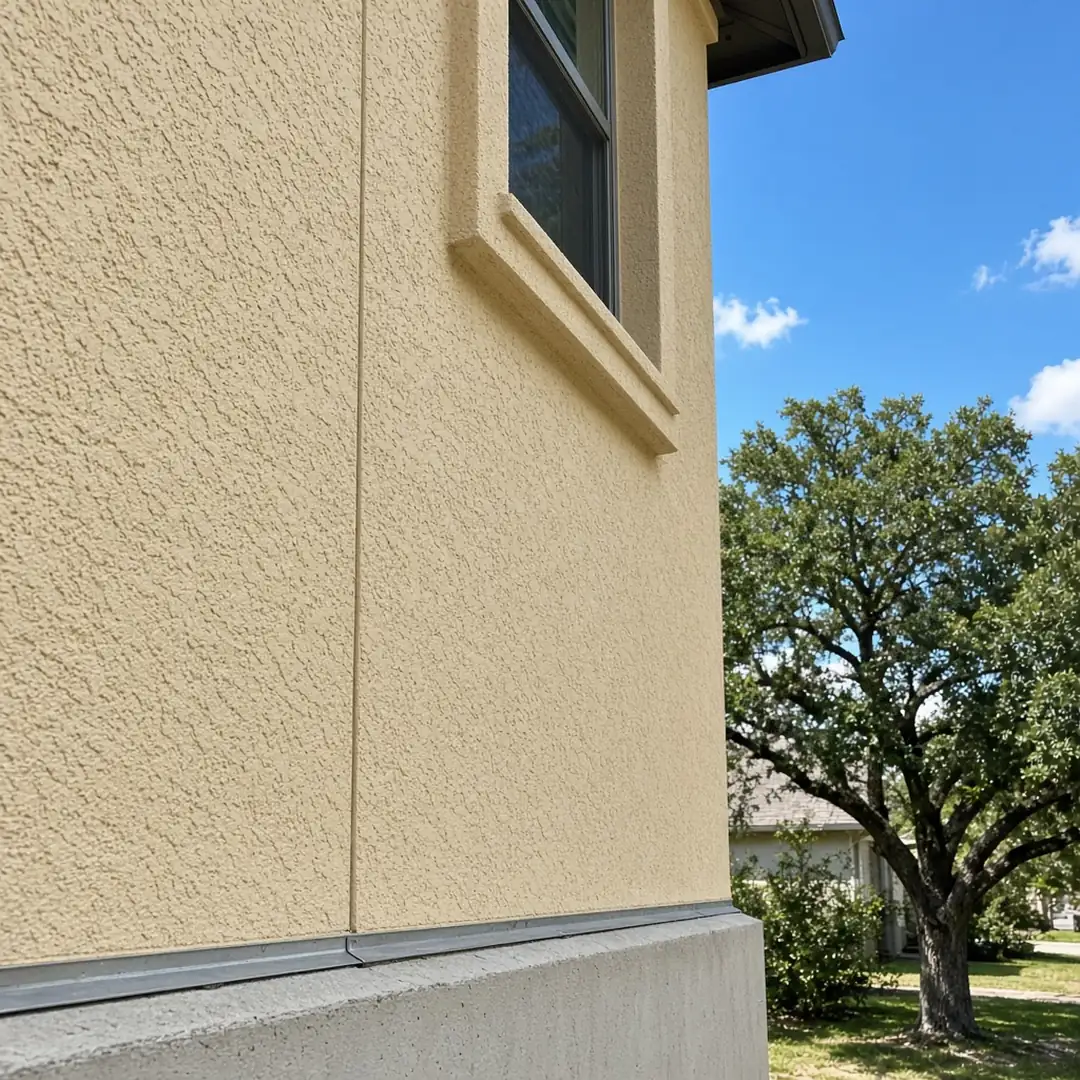
Stucco suits the drier western part of the state both functionally and visually, where the arid climate keeps moisture problems down — it is a natural fit across West Texas and common on Mediterranean and Southwestern home styles. In humid East and coastal Texas it demands careful detailing, proper drainage behind the coat, and a contractor who knows how to keep water out of the wall, or trapped moisture causes cracking and staining. Applied correctly it is durable and low-maintenance; applied carelessly in the wrong climate it fails early.
Engineered wood
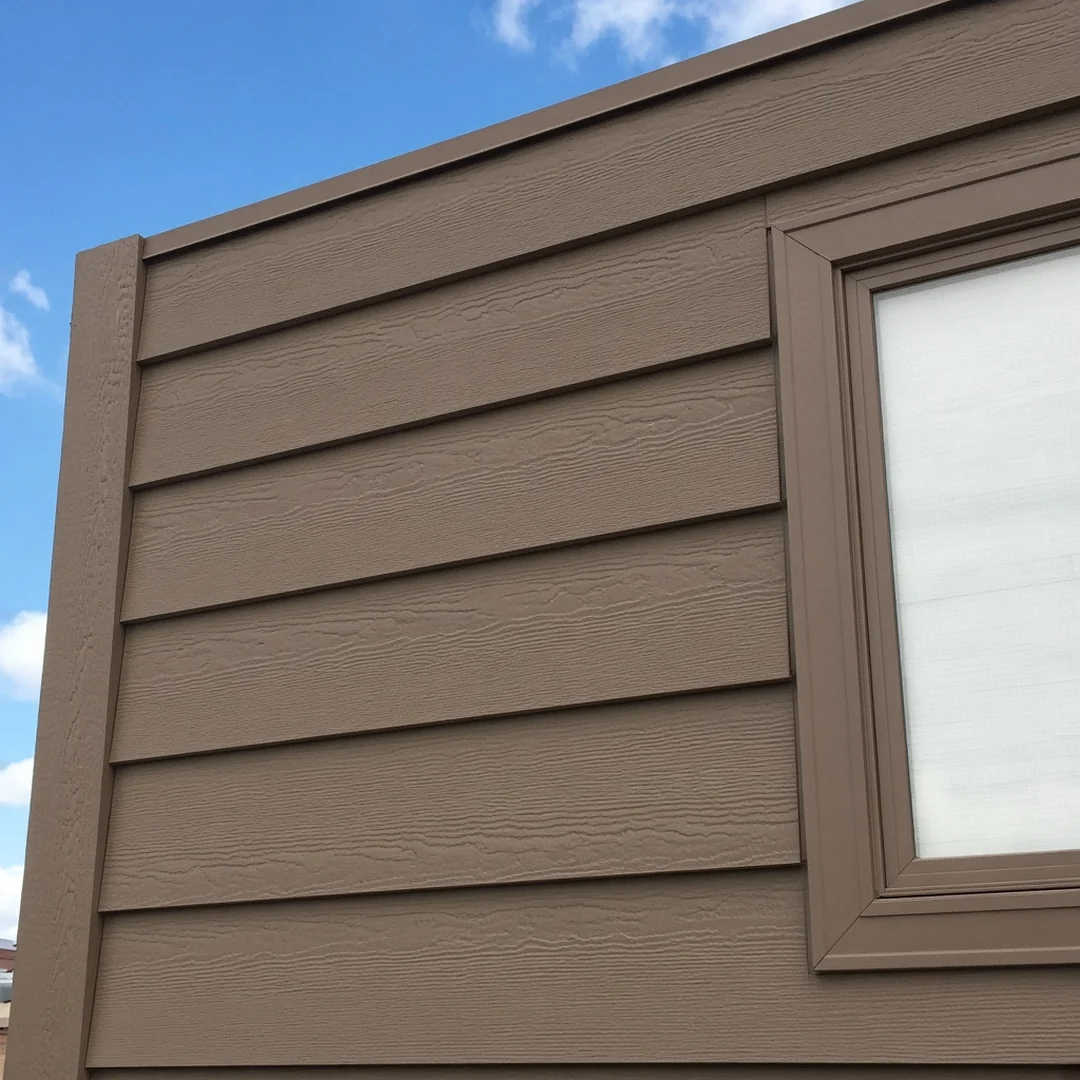
Engineered wood siding, such as treated-strand products, gives the warm look of real wood with far more resistance to heat, moisture, and pests. It installs much like fiber cement, weighs less, and holds up well in Southern climates, which makes it a middle option between vinyl and fiber cement for homeowners who want a wood grain without cedar's upkeep.
Metal
Metal siding reflects heat rather than absorbing it, resists impact, and will not rot, burn, or feed termites. It shows up most on modern, farmhouse, and ranch designs, and its reflective finishes help on the sun-facing walls that punish other materials. It is a niche but growing choice handled by siding contractors across the state.
One Texas-specific note worth knowing: since House Bill 2439 took effect in 2019, Texas cities can no longer require a specific exterior cladding material on a home. That means homeowners and builders have a free hand to choose the siding that actually fits the climate and budget, rather than the one a local ordinance once mandated.
Common siding problems in Texas
Texas conditions produce a recognizable set of siding failures. Knowing the signs tells you whether you are looking at a repair or a full replacement.
- Fading and chalking. Relentless UV bleaches color out of vinyl and painted surfaces, and leaves a dusty chalk film on older panels. South- and west-facing walls go first, so a home can look fine from the street and worn on the sunny side.
- Warping and buckling. Sustained heat makes vinyl and lower-grade panels expand, ripple, and pull loose from the wall. Once panels distort, they no longer shed water the way they should.
- Hail bruising and cracks. Impact leaves dents, cracks, and punctures that open paths for water. On brittle sun-aged siding, a single storm can crack panels across a whole elevation.
- Moisture intrusion and rot. Where flashing or caulk has failed, Gulf Coast humidity and storm-driven rain get behind the siding and rot the sheathing out of sight — the damage that does the real harm because it is invisible until it spreads.
- Failed caulk and seams. The heat-and-cool cycle works joints loose over time, and open seams are where most leaks begin. Resealing is a common, inexpensive fix caught early.
Texas homes, by the numbers
Texas has about 12.8 million housing units, and 62.6% of them are owner-occupied, according to U.S. Census American Community Survey estimates. The median owner-occupied home is valued at $283,800, and households average 2.69 people. The median home was built in the late 1980s, so a large share of Texas siding is now decades into a climate that ages exteriors fast. Roughly 7% of the state's housing is manufactured or mobile homes, which carry their own siding types and their own vulnerability to wind and hail — another steady source of repair and replacement work across every Texas metro.
How to choose a siding contractor in Texas
The material matters, but the install decides how long it lasts. A siding contractor worth hiring will:
- Carry current liability insurance and show proof on request.
- Inspect the whole wall system, not just the visible panels — flashing, the water-resistive barrier, and the sheathing underneath.
- Explain which material fits your region, your home's exposure, and the look you want, rather than selling one product for every house.
- Detail the water management: how openings get flashed and how the wall drains, which is what actually keeps Texas humidity and storm-driven rain out.
- Give a written scope that lists tear-off, underlayment, trim, and cleanup — not just "new siding."
Call Us Now to reach a siding contractor in your area.
Browse siding contractors by city
Find siding contractors in the major Texas metros and their surrounding suburbs:
- Austin and Central Texas — Round Rock, Georgetown, Leander
- Dallas–Fort Worth — Dallas, Allen, Plano, Fort Worth
- Houston and the Gulf Coast
More Texas cities are added regularly. Call Us Now to reach a local siding pro anywhere in the state.
Siding materials for Texas homes
There is no single best siding for the whole state — here are the materials Texas homeowners choose between.
Find siding contractors in your Texas city
Live now across the major metros, with more Texas cities added on a rolling schedule.
Frequently Asked Questions
What is the best siding for Texas heat?
Fiber cement is the material most consistently recommended for Texas heat because its cement-and-sand composition does not warp or soften at the high surface temperatures that sun-facing walls reach in summer, and it holds its color under heavy UV far longer than vinyl. Brick and quality UV-stabilized vinyl are also common choices, with the right pick depending on your region and exposure.
Does hail really damage siding, or just roofs?
Hail damages both. Because roofs take the obvious hit, siding damage gets overlooked after a Texas storm, yet hail cracks panels, loosens them, and drives moisture behind the cladding where it rots the sheathing out of view. A contractor checking the walls as well as the roof catches this before the hidden water damage spreads.
How do I know if my siding needs repair or full replacement?
Isolated cracks, a few loose or missing panels, or localized storm damage are repairs. Widespread fading, warping or buckling across multiple walls, moisture or rot behind the siding, or material that has reached the end of its life points to replacement. A siding contractor inspects the wall system and tells you which situation you are in.
Why is so much of Texas clad in brick?
Brick handles heat, hail, and UV with almost no maintenance and lasts for decades, which is why it became the Texas standard — 62% of new single-family homes in the Texas–Oklahoma region use brick or brick veneer. Most are brick veneer, a facing layer over a framed wall, rather than solid brick.
Can my city require a specific siding material?
No. Since Texas House Bill 2439 took effect in 2019, municipalities can no longer mandate a particular exterior cladding material, so homeowners are free to choose the siding that best fits their climate, home, and budget.
How do I find a siding contractor near me in Texas?
Use the browse-by-city section to reach siding contractors serving your metro and its suburbs, or Call Us Now and get connected with a local pro for installation, repair, or replacement anywhere in the state.
Call Us Now for a Siding Contractor in Texas
Whether your siding was hit by hail, faded by years of sun, or is simply ready to be replaced, Siding Pros TX helps you reach a siding contractor serving your part of Texas. Call Us Now to get started.
Call Us Now for a siding contractor in Texas
Hail-hit, sun-faded, or simply ready to replace — get connected with a siding contractor serving your part of Texas.